Eco Benefits: Ways Car Scrapping Helps the Planet.
“The greatest threat to our planet is the belief that someone else will save it.” — Robert Swan.
Across Singapore’s compact urban landscape, green end-of-life car disposal is increasingly essential. Scrapping end-of-life vehicles permanently retires inefficient, high-pollution vehicles from the road. It avoids toxic leaks from abandoned vehicles and enables recovery of reusable materials. This https://sgcarscrap.com/guide-to-the-scrap-yard-vehicle-inspection-process/ approach improves the environmental profile of scrap cars in practical ways that support urban sustainability and public health.
Around the world, ELV rules target high recovery rates, with typical targets above 95% mass recovery. Licensed ATFs execute regulated dismantling, depollution, and materials recovery. These standardised stages turn environmental aims into real benefits: reduced landfill loads, reduced greenhouse gas emissions, less resource extraction, and direct protection of soil and water.
Below, we explain Singapore-focused ways scrapping helps the planet. We cover key material streams—steel, aluminium, copper, glass, core depollution steps, and links to clean-air targets and landfill limits. You’ll see the sustainability benefits of scrapping cars, the energy savings from recycling, and the local economic advantages of responsible disposal.
Key Takeaways
- Scrapping retires high-emission, unroadworthy vehicles, cutting local emissions.
- Licensed ATFs ensure eco-friendly car disposal through depollution and safe dismantling.
- Using recycled metals lowers mining demand and energy use.
- Correct handling prevents battery and fluid contamination of soil and water.
- Scrapping advances clean-air and landfill objectives and delivers local value.
Why Scrapping Benefits the Environment
Phasing out old vehicles directly cuts urban pollution. Licensed dismantlers manage fluids, batteries, and tyres safely. This approach reduces risks from leaks and derelict vehicles in dense cities such as Singapore.
Taking Heavy Emitters Off the Road
Deciding to retire aged cars removes high-emission vehicles that exceed newer-model CO2/NOx/VOC emissions. Retirement stops inefficient engines stopping further on-road pollution. Authorised facilities carry out dismantling and depollution instead of unmanaged decay.
Quick Clean-Air and Health Benefits
Scrapping high emitters produces near-term drops in tailpipe pollution. Neighbourhoods near busy corridors benefit from lower particulate and smog levels. This results in fewer respiratory complaints and better air quality for commuters and schoolchildren in dense cities.
Policy Alignment & Cleaner Transport Targets
Scrapping aligns with phase-out policies for older ICE vehicles and cleaner transport objectives. Incentives and LEZs promote replacement with hybrids, tighter-standard petrol models, or EVs. This move helps reduce environmental impact while assisting national targets and vehicle-quota strategies.

Reduced landfill waste through vehicle recycling
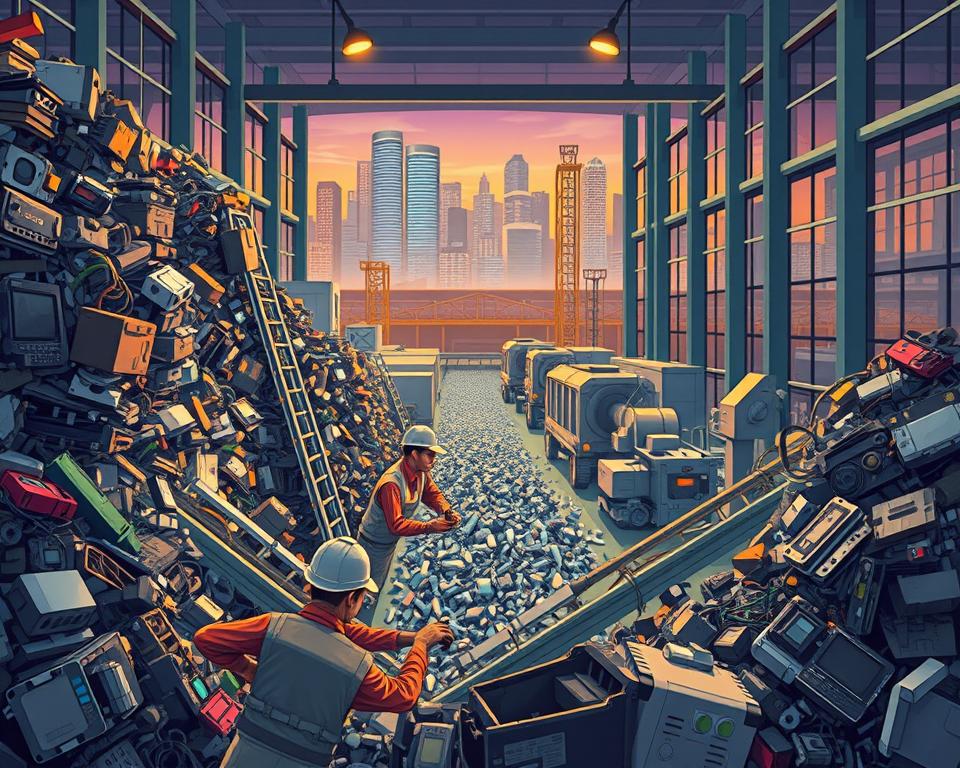
Scrapped vehicles hold significant amounts of recoverable materials. Steel dominates the mass of most vehicles. Aluminium, copper wiring, glass, plastics, and rubber also contribute. Systematic recovery reduces landfill loads underscoring auto-recycling benefits.
Licensed ATFs conduct careful tear-downs to reclaim components. Technicians drain fluids, extract batteries, and sort metals for processing. This approach avoids abandonment or informal crushing, a source of soil/groundwater harm.
Waste capacity is tightly constrained at Pulau Semakau and on the mainland. By routing ELVs through licensed ATFs, we ease the pressure on landfill capacity. High recovery rates not only reduce the environmental impact of scrap cars but also extend the lifespan of landfills.
Green disposal loops materials back to manufacturing. Recycled metals displace virgin ore, reducing extraction and energy demand. These benefits underscore the importance of responsible disposal, with long-run landfill reductions through effective recycling.
Reducing Emissions with Scrappage
Retiring older inefficient cars brings material environmental gains. Pre-2010 models typically burn more fuel per kilometre. By switching to cleaner alternatives, we can reduce emissions at the source and across the entire transport system.
Old vehicle inefficiency vs newer models and EVs
Wear and obsolete tech reduce older-engine efficiency. Modern cars meet stricter rules; hybrids/EVs lower energy use. EVs have no exhaust CO2, making fleet renewal a key strategy for reducing our carbon footprint SGCarScrap.
Two Carbon Levers: Retire & Recycle
Scrapping delivers a dual benefit. One, it avoids ongoing operational CO2. Two, recycling metals cuts future manufacturing energy.
| Action | Emissions Effect | Co-Benefit |
|---|---|---|
| Phase out a pre-2010 petrol vehicle | ~20–40% operational CO2 reduction | Better roadside air |
| Upgrade to hybrid | 30–50% on-road CO2 drop | Fuel savings |
| Replace with EV | No exhaust CO2 | Lower upstream footprint via recycled metals |
| Maximise metal recovery | 40–70% embodied CO2 reduction | Lower virgin extraction |
How scrapping supports national emissions targets and cleaner urban air
Scrappage schemes help meet national emissions targets. By focusing on the oldest, most polluting vehicles, we see a decrease in city-wide emissions. That alignment aids climate targets and boosts public health.
Scrapping benefits go beyond tailpipes. It strengthens circular supply chains and reduces the lifecycle impacts of new vehicles. Thoughtful programs incentivize reducing carbon footprint, enhance car recycling, and lower environmental costs in the long run.
Saving Resources with Efficient Recycling
ELV recycling unlocks major energy savings. Using https://sgcarscrap.com/how-car-scrapping-helps-the-planet/ recycled metals beats primary extraction on energy. Lower energy needs conserve resources and reduce supply-chain fuel use.
Energy Advantage of Recycled Metals
Recycled aluminium can save up to ~90% energy vs primary. Scrap-based steel needs less processing than ore-based. Such savings reduce emissions and shrink industrial footprints in Singapore.
How recycled steel and aluminium reduce demand for virgin materials
Recovered steel, aluminium, and copper lessen the pressure on mines and reduce land disruption. Using these materials decreases the need for fresh extraction, preserving ecosystems and slowing resource depletion. The car recycling advantages extend beyond metals to lower water use and reduced chemical waste.
Manufacturing Energy Drops with Recycled Inputs
Using recycled inputs trims energy-intensive stages. Shorter lifecycles cut GHGs across the product life. This circular approach highlights the sustainability benefits of scrapping cars by cutting embedded carbon in new vehicles and parts.
Policy makers and businesses that promote authorised vehicle recycling amplify these outcomes. Wider adoption saves resources, supports efficiency aims, and pushes national low-carbon, resilient supply chains.
Keeping Soil/Water Safe with Proper Depollution
Abandoned vehicles threaten soil and aquifers. Oil, coolant, brake fluid, and stale fuel can leach into soil. Heavy metals from lead-acid and lithium batteries can contaminate drinking water. Given Singapore’s density, safe ELV processing is critical to prevent pollution and protect public health.
Proper depollution first drains and captures hazardous fluids. Teams collect oil, coolant, brake/transmission fluids, refrigerants, and fuel for recycling/safe disposal. Battery units are routed to certified recyclers for material recovery.
Tyres and any mercury components receive separate handling to avoid fire/toxicity. Segregation avoids cross-contamination and ensures correct treatment. Together, these steps materially cut environmental risk.
Regulation requires scrapping at authorised facilities with appropriate infrastructure. Tracking/docs provide traceable flows from intake to recovery. Oversight supports legal compliance and protects soil/water.
Singapore’s licensed procedures protect limited land and key water catchments. Authorised facilities back national goals and give owners a safe, eco-friendly route.
Local Value from Eco-Friendly Disposal
Green vehicle disposal benefits Singapore households and neighbourhoods. Owners monetise scrap metals/parts. It provides quick cash and extends material lifecycles.
Shopping around licensed buyers improves returns. Scrap payouts can fund repairs or cleaner-vehicle upgrades. This routes vehicles to authorised handlers, lowering fraud and ensuring proper treatment.
Circular-economy jobs emerge as local facilities expand their operations. Jobs span dismantling, fluid handling, sorting, and recycling. Positions range from technicians to compliance officers, supporting a sustainable economy.
Communities benefit from the removal of abandoned vehicles. Streets become cleaner, safety improves, and pest risks decrease. Sales proceeds can support household needs or efficient mobility, improving health and mobility.
Public incentives and scrappage programs encourage responsible car disposal. Trade-ins and education campaigns motivate greener choices. This leads to long-term behavior change and highlights the sustainability benefits of scrapping cars.
Maximise benefits by choosing licensed buyers and keeping paperwork traceable. This protects owners and ensures environmental standards are met. The economic and community gains highlight the advantages for Singapore’s streets and future development.
Wrap-Up
Scrapping old vehicles in Singapore offers significant eco benefits. It reduces landfill waste and recovers valuable materials like steel, aluminum, and copper. Energy savings beat primary mining/refining. Scrappage lowers emissions by replacing inefficient vehicles and feeding recycled materials into manufacturing.
Ensuring proper depollution and using regulated facilities is key. It ensures safe handling of fluids, batteries, and tyres. This delivers real, measurable environmental benefits. These practices prevent pollution and optimise recovery.
Households gain cash, reuse parts, and see green jobs. Singapore residents who opt for responsible disposal contribute to a cleaner environment. They lower individual/national footprints, ease landfill loads, and improve urban air.
For anyone considering scrappage, the message is straightforward. Authorised scrappage simply helps improve sustainability. It proves how scrapping supports the planet.