Kegerator Coupler Parts: Must-Have Accessories for Your Home Draft System
Have you ever asked yourself why your draft beer comes out foamy or flat? The real key is in the compact but crucial components linking your keg and tap. With an improper setup, even the finest brew can quickly lose its clean taste and proper carbonation.
At Installation Parts Supply, we understand that a smooth pour begins with trustworthy keg tap assembly hardware. Whether you brew at home or simply appreciate fresh draught beer, understanding these components ensures every pour comes out correctly.
From small washers to gas lines, every part helps maintain proper pressure and flavour. More than 90% of dispensing problems can be linked to worn-out or mismatched parts. A little knowledge goes a long way in keeping your system running flawlessly.
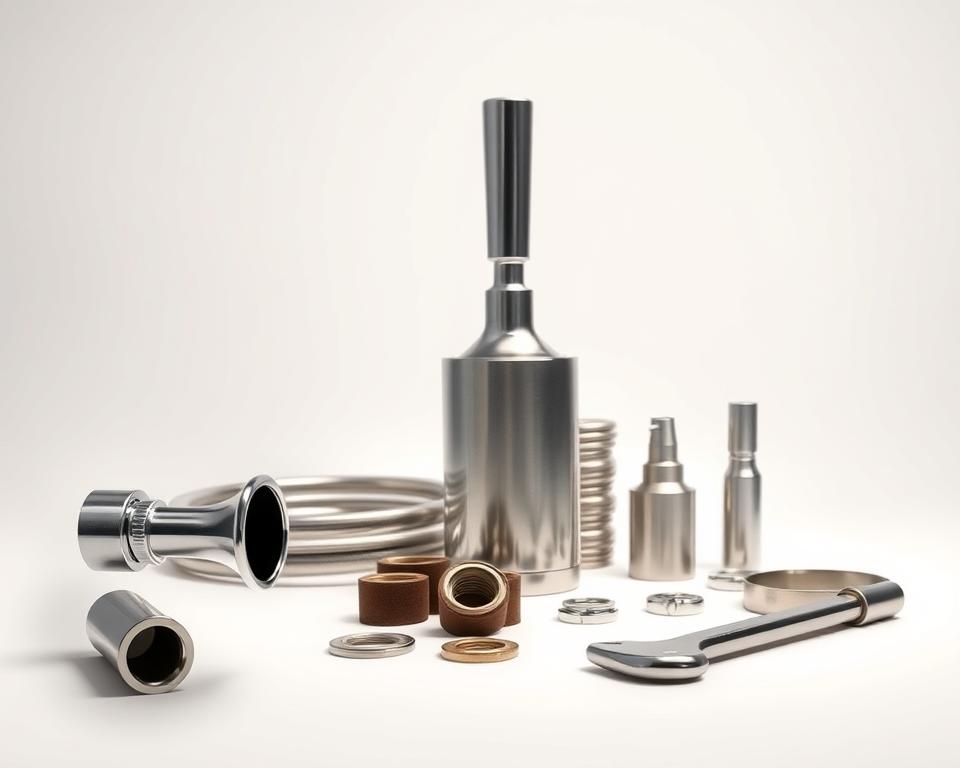
- Choosing the correct coupler guarantees ideal beer flow and taste.
- Installation Parts Supply offers dependable plumbing solutions for draft beer systems.
- Regular maintenance prevents common pouring problems.
- Various beer styles may need specific coupler types.
- A majority of system failures start with coupler problems.
Kegerator Coupler: What Is It?
The perfect draft beer starts with the right connection between your keg and tap. A keg coupler bridges your CO2 cylinder or nitrogen tank to the beer line, using compressed gas to push liquid smoothly to your beer taps. Think of it as the engine of your draft setup—without it, nothing moves.
This small device has two jobs: it delivers gas to pressurize the keg and controls beer output. Inside, you’ll find a probe, a check valve, and separate ports for gas and liquid. Each component helps keep your beer carbonated and pouring with minimal foam.
| Part | Function | Common Issues |
|---|---|---|
| Coupler Probe | Punctures the keg seal | Misalignment can cause leaks |
| Check Valve | Prevents backflow | Worn valves can lead to flat beer |
| Gas/Liquid Ports | Connect to gas and beer lines | Loose fittings can create foam |
Improperly attaching the coupler is a classic rookie mistake—three out of four new users do it. The result? Foamy messes, leaks, or worse, spoiled beer. Installation Parts Supply offers compatibility charts and video guides to help you get it right.
Universal designs mean most couplers work similarly, but always match yours to your keg type. A mismatched connection not only ruins the beer but may also harm your equipment.
Types of Keg Couplers and Their Uses
Not all keg connections are created equal—some are designed for specific brews. Matching the right coupler to your beer ensures optimal carbonation and flavor. Here is how to choose the best match.
This style is the standard choice for about 85% of North American craft beers. Thanks to its single-valve layout, it locks firmly onto the majority of domestic kegs. Pro tip: Check the side for the Sankey stamp.
U System Keg Coupler
Recognizable by its harp logo, this type is a must for nitro beers like Guinness. A specific gas blend (roughly 75% nitrogen) is used to deliver that classic creamy head. Do not force a U coupler onto a standard keg—it simply will not seal.
S System Coupler (European Sankey)
Heineken and other European imports need this reverse-thread version. The left-hand thread design stops mix-ups with D Systems. Fun fact: It’s slightly taller than its American cousin.
A, G, and M System Couplers
German and UK beers demand specialized connectors:
- A System: Slides easily onto Warsteiner or Paulaner kegs. The slider mechanism makes connection nearly foolproof.
- G System: Fits Bass and Boddingtons with its tri-flat stem. This coupler is a staple in many UK pubs.
- M System: Locks onto Schneider Weisse kegs. The slide-lock clicks when secure.
Installation Parts Supply color-codes their compatibility guides—green for D, black for U, blue for S. One Midwest microbrewery saved around $3,000 per year after switching to the correct couplers. Keep in mind that real compatibility is more reliable than any “universal” marketing claim.
Essential Kegerator Coupler Components and Their Roles
Behind each smooth pour is a collection of precisely engineered parts. These small but mighty pieces ensure your beer stays carbonated and flows flawlessly. Let’s break down the key hardware that keeps your system running.
Probe and Check Valve
The stainless steel probe pierces the keg’s seal, controlling beer flow. Higher-end models can last three times longer than budget options. Underneath, the check valve prevents backflow—often the most commonly replaced part at Installation Parts Supply.
Hex Nuts and Washers
A solid seal begins with the hex nut. Brass works well on a budget, whereas stainless steel holds up longer against corrosion. For colder environments, use nitrile washers—EPDM rubber can crack more quickly under 40°F.
| Part | Construction | Key Benefit |
|---|---|---|
| Coupler Probe | Stainless Steel | High wear resistance |
| Check-Valve | Food-grade plastic | Prevents flat beer |
| Hex Coupling Nut | Brass/Stainless | Balances cost and durability |
Gas and Liquid Ports
Your gas port usually runs between 20 and 30 PSI for CO₂ or nitrogen. Mismatched pressure causes foam. Liquid ports work best with 3/16″ ID tubing—1/4″ lines increase turbulence. Rebuild kits featuring FDA-approved seals make maintenance easier.
Pro Tip: Change out O-rings at least every six months or after about 50 kegs. A $3 washer replacement beats a $150 coupler failure.
Setting Up Your Kegerator Coupler Correctly
Dialling in your draft system correctly gives you perfect pours again and again. Correct installation stops foam, leaks, and flat, lifeless beer. Follow these steps to connect everything smoothly.
Connecting the Coupler to the Keg
Lift the handle and align the coupler’s lugs with the keg’s slots. Turn it clockwise until it is snug—do not over-tighten or you’ll damage the seal. Low-profile designs reduce height by 4–5 inches for tight spaces.
Installation Parts Supply’s torque wrench ensures hex nuts are secured at 8–10 ft-lbs. About 80% of leak issues come from a misaligned probe. Using new washers each time helps maintain proper system pressure.
Attaching Gas and Beer Lines
Attach the gas hose to the coupler gas port with 5/16″ MFL fittings. Use thread sealant on threaded connections to prevent CO₂ escaping. For beer lines, 10–12 feet of 3/16″ tubing balances pressure drop.
| Step | Tool | Helpful Tip |
|---|---|---|
| Gas Line | Thread Sealant | Test at 30 PSI for bubbles |
| Beer Line | Tubing Cutter | Cut tubing square to maintain good seals |
| System Pressure Test | Leak Detection Spray | Check for 24 hours |
More advanced systems pair with mobile apps for real-time pressure monitoring. A brewery in Denver lowered foam loss by 40% by switching to quick-connect fittings from Installation Parts Supply. Always turn off the CO₂ supply if you detect major leaks.
Troubleshooting Common Coupler Problems
Nothing spoils a cold pint more quickly than foam shooting everywhere. The majority of pouring problems can be solved easily once you know where to start. Let’s tackle the frequent headaches and their solutions.
Dealing with Leaks and Foamy Beer
Foam makes up about 68% of all draft system complaints. First, confirm that the temperature is around 38°F for most ales. Too warm, and CO₂ escapes too fast.
Next, inspect your beer line connections. A simple soapy water mix will highlight gas leaks by forming bubbles. Tighten any loose fittings with a wrench, but don’t over-tighten.
- Check-ball failure causes intermittent flow—listen for hissing sounds
- Pressure imbalance? Compare your gauge to this chart:
| Type of Beer | CO2 PSI | Nitrogen Mix |
|---|---|---|
| Lagers | 10-12 | Not Applicable |
| Nitro Stouts | 25–30 | 75% nitrogen |
Coupler Not Fitting Securely
If your coupler fits loosely, first check for worn O-rings. According to Installation Parts Supply, this simple check fixes roughly 40% of fit issues. If the coupler face is warped, it may need to be replaced.
On uneven surfaces, use keg shims. These low-cost plastic wedges help stabilise any wobbling connection. Low-profile couplers also solve clearance issues in compact coolers.
Pro Tip: In their emergency washer kit you’ll find five key seals. A Chicago bar cut waste by 18% after training staff on these quick fixes.
Remember, frost on your CO₂ tank usually signals overuse. Let it thaw before adjusting pressure relief valves. Digital gauges need yearly calibration for accuracy.
Cleaning and Maintenance for Your Keg Coupler
A clean draft setup delivers crisp, fresh-tasting beer with every pour. As time passes, residue builds, impacting both flavour and dispensing efficiency. A straightforward cleaning routine keeps everything running well.
Disassembling and Soaking the Coupler
First, carefully take the coupler apart. Take off the handle, the probe, and the check valve. Soak all parts in warm water with 1 oz of PBW per gallon for 15–20 minutes. This removes yeast and hop oils.
Installation Parts Supply’s brush set reaches tight spots. Focus on the ball valve in particular—it is a frequent trap for debris. Rinse thoroughly to avoid soapy aftertastes.
Choosing the Right Cleaning Solution
Many brewers favour PBW (Powdered Brewery Wash) due to its pH-balanced formula. Acid cleaners work faster but can damage rubber over time. For larger commercial systems, ultrasonic cleaners can blast away stubborn debris using sound waves.
- Drying – Use compressed air or microfiber cloths. Moisture breeds mold.
- Sanitizing: According to FDA CFR 117 guidelines, 30 seconds of contact time is required to kill bacteria.
- Logs: Track cleanings with a template. Consistency in logging helps avoid missed cleanings.
UV light options add extra protection for rubber components. Always neutralize wastewater—PBW is alkaline and harms pipes. A little effort ensures quality pours and extends your system’s life.
Conclusion
You can enjoy crisp, fresh beer when you know how to manage your draft beer system. Matching the right hardware, regular cleaning, and proper setup make all the difference. Installation Parts Supply offers lifetime support and seasonal discounts on rebuild kits to keep your pours perfect.
Did you know that routine care can extend the life of your equipment by up to 7 years? Download their free compatibility checklist or join a brewmaster webinar for pro tips. A quick annual inspection ensures trouble-free operation—just ask their 5-year satisfied customers.
Ready to upgrade? Visit Installation Parts Supply today and boost your home bar game.